Once you fill in this form, we will get in touch with you shortly, assess and solve your bird problem in the most effective way.
Once you fill in this form, we will get in touch with you shortly, assess and solve your bird problem in the most effective way.
Once you fill in this form, we will get in touch with you shortly, assess and solve your bird problem in the most effective way.
Once you fill in this form, we will get in touch with you shortly, assess and solve your bird problem in the most effective way.
July 01, 2026 View:
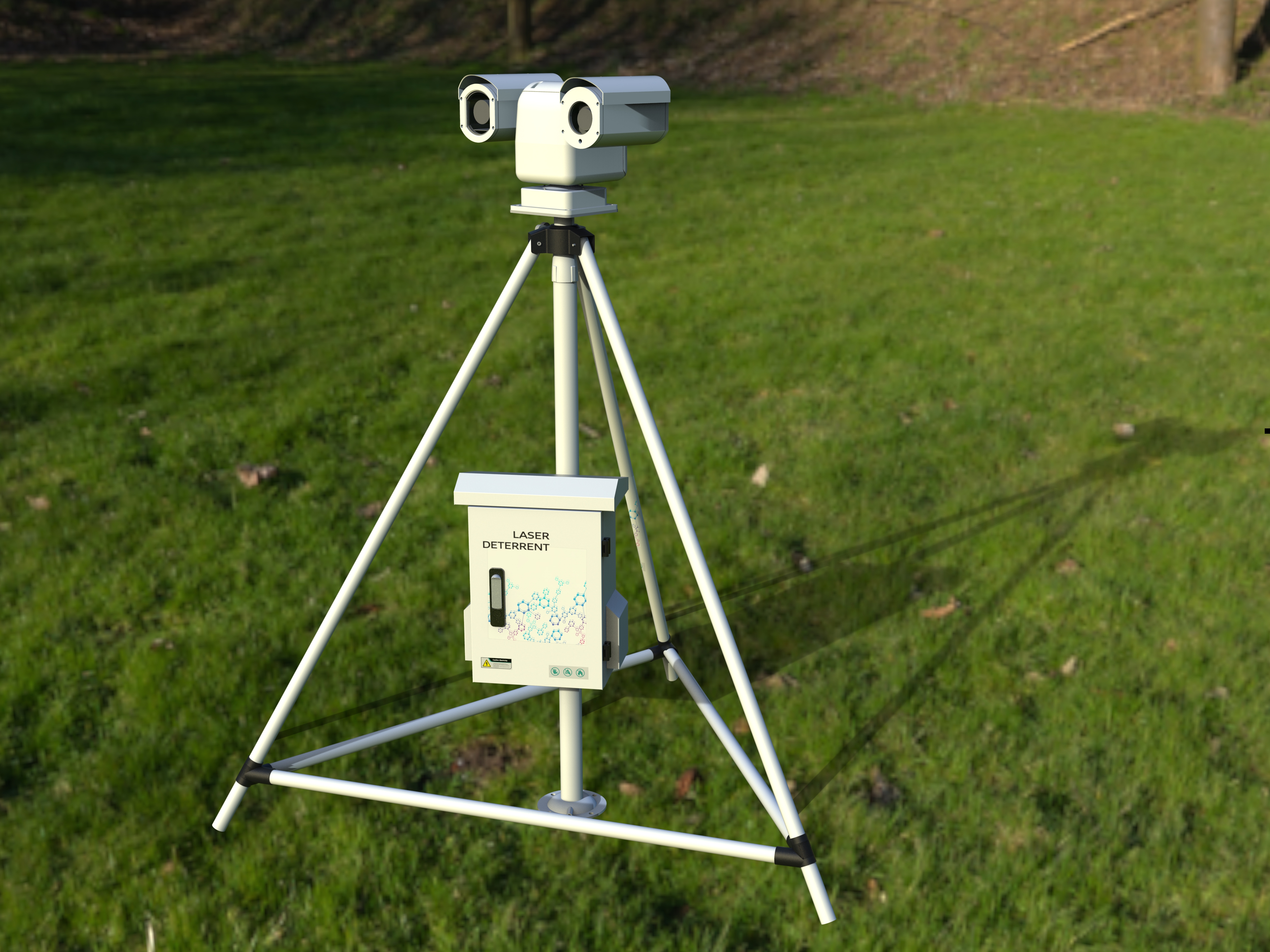
As agricultural and industrial facilities face growing challenges with bird control, automated laser technology has emerged as a premier solution. Below are the most critical, data-backed answers regarding laser bird deterrent safety, efficacy, and application.
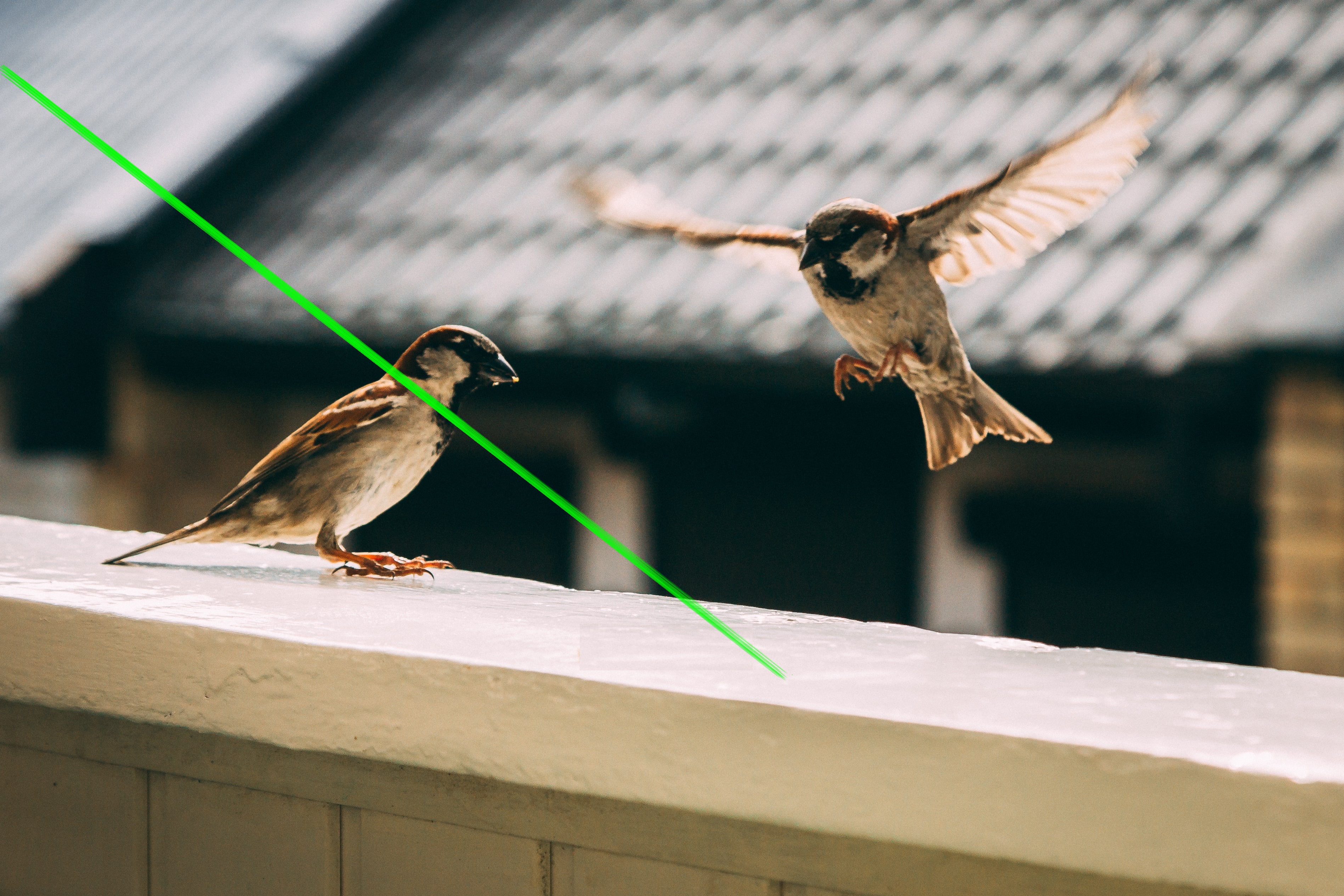
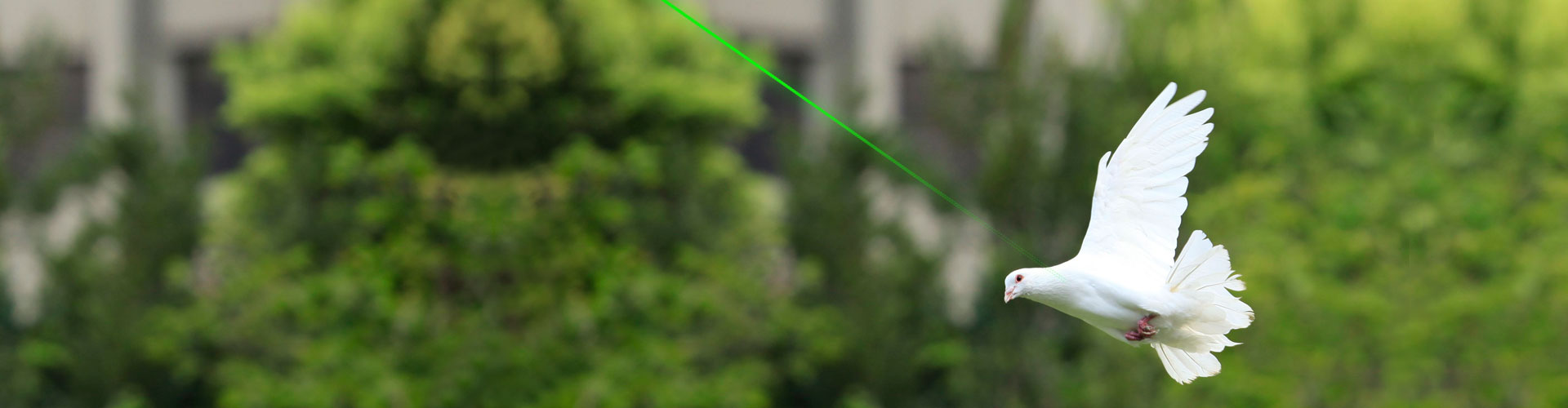
How It Works: Uses a moving 520nm-532nm green laser beam that birds perceive as a solid threat, triggering their flight instinct.
Safety Standards: Employs Class 3B lasers with automated geofencing and proximity sensors to protect humans.
Effective Range: Covers up to 2,500 meters at night and 500 to 1,000 meters in bright daylight.
Top Applications: High ROI for agriculture, solar panel arrays, aviation runways, and commercial roofs.
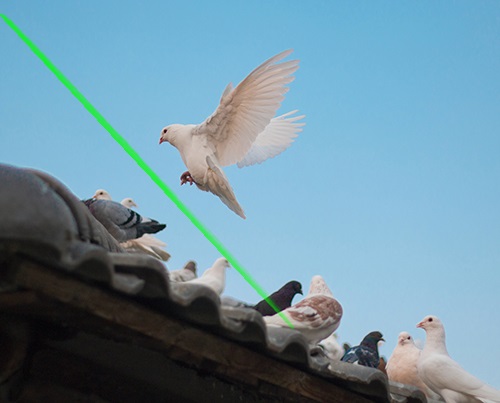
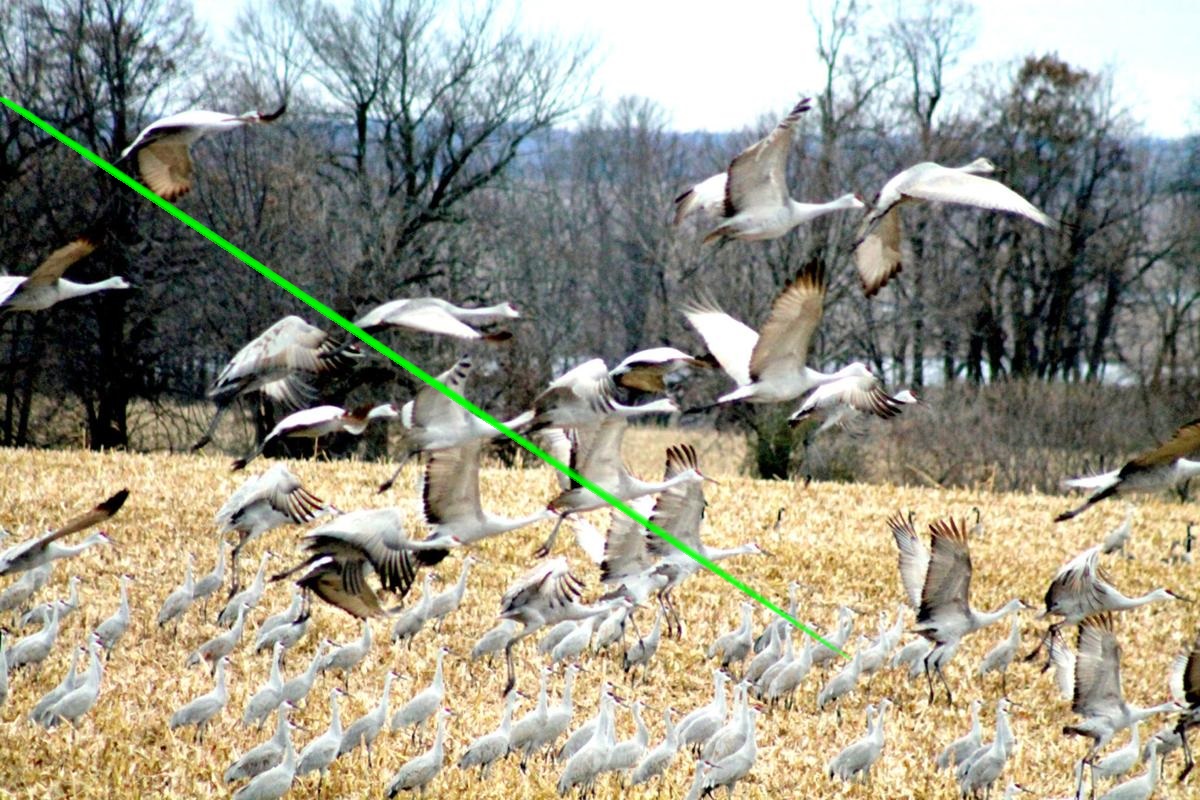
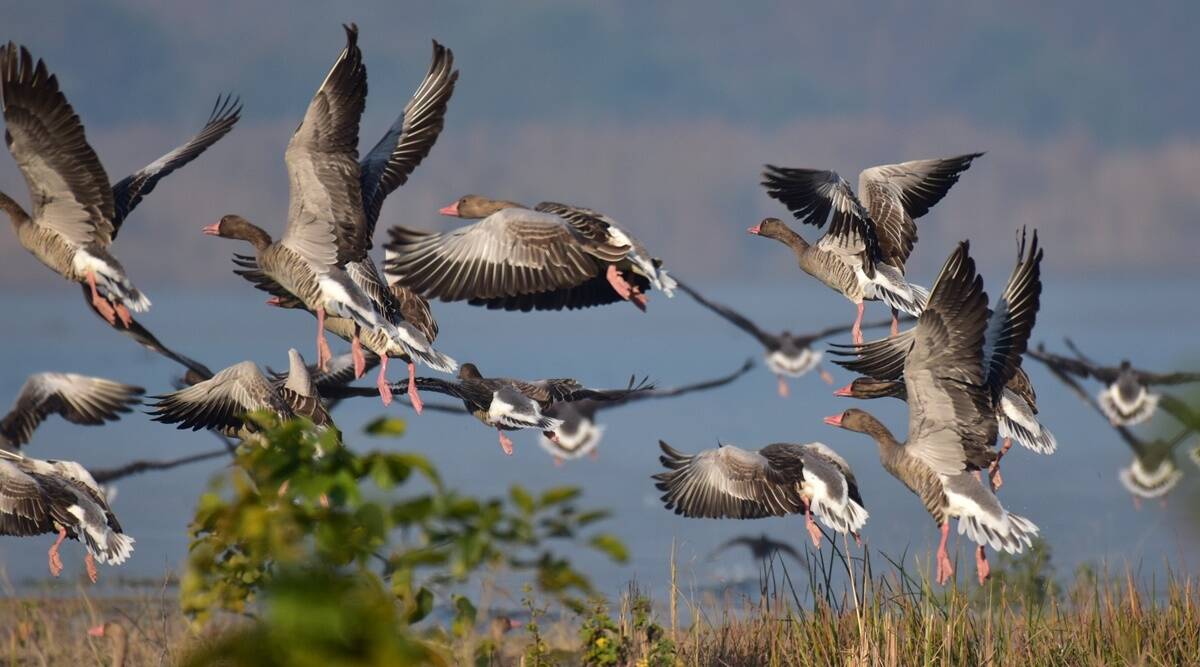
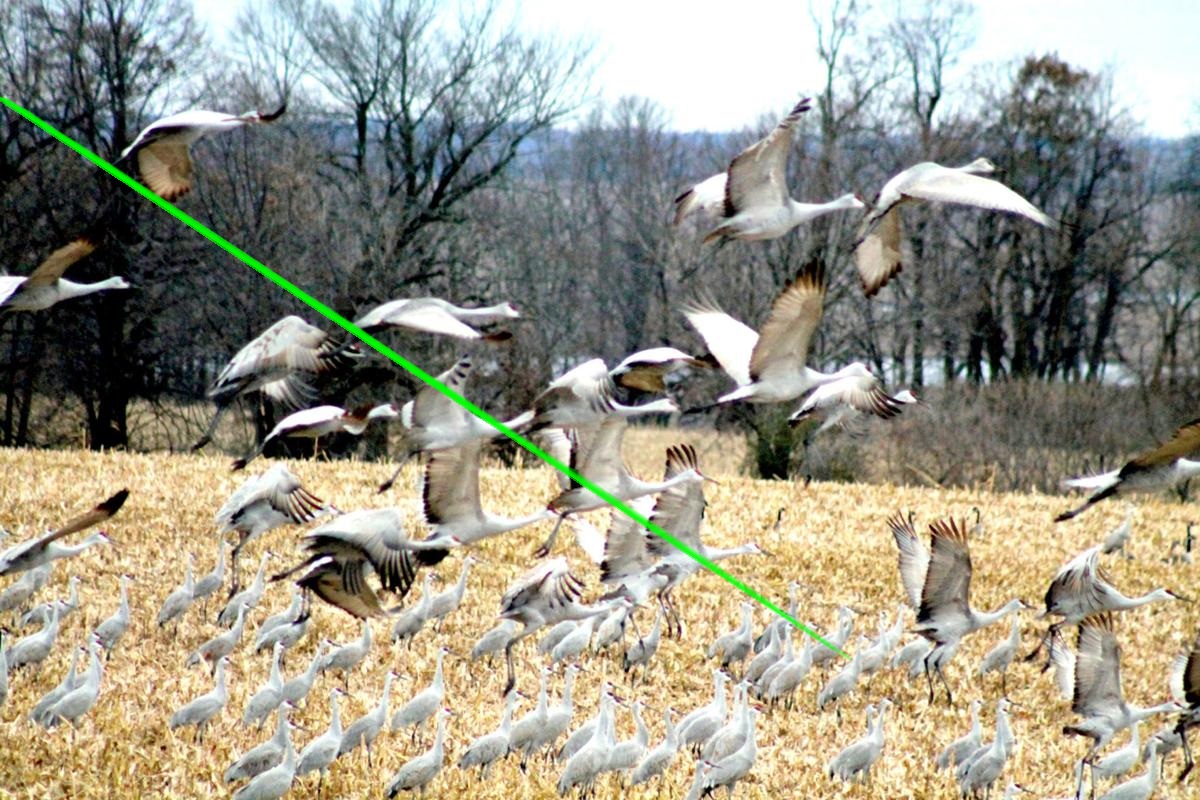
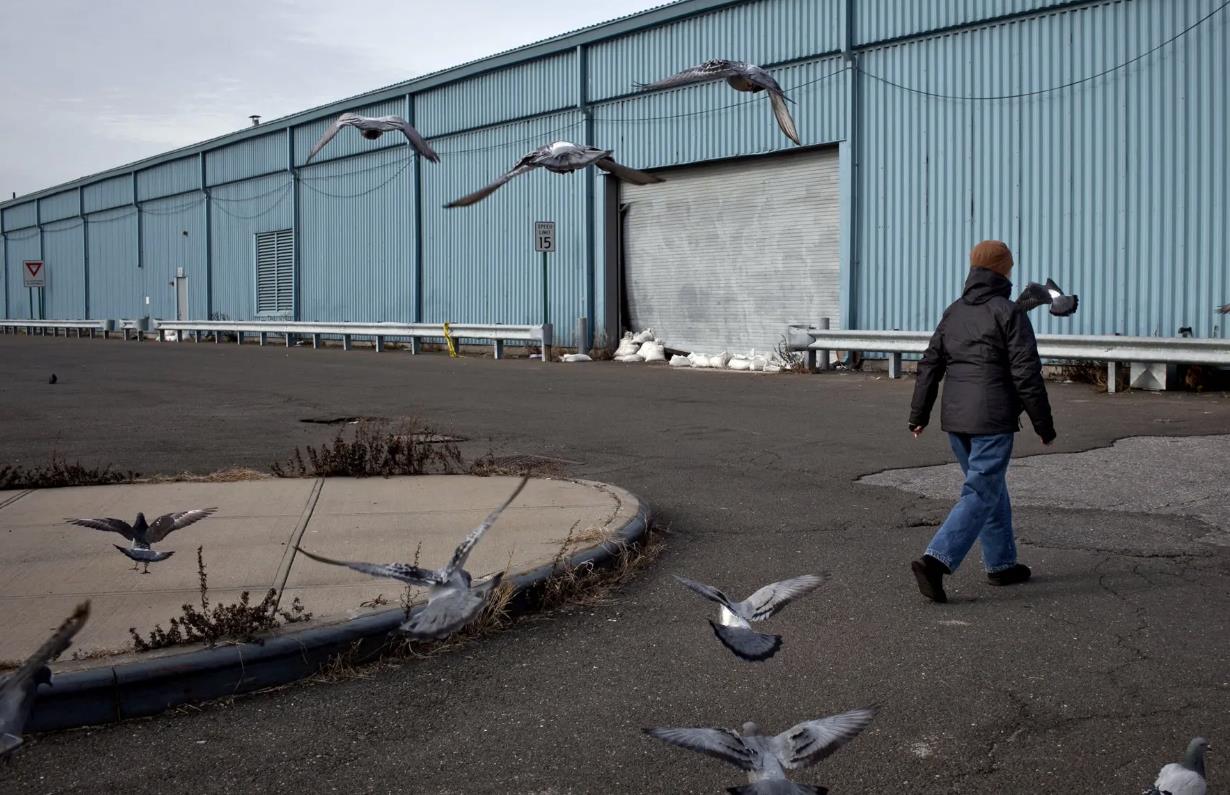
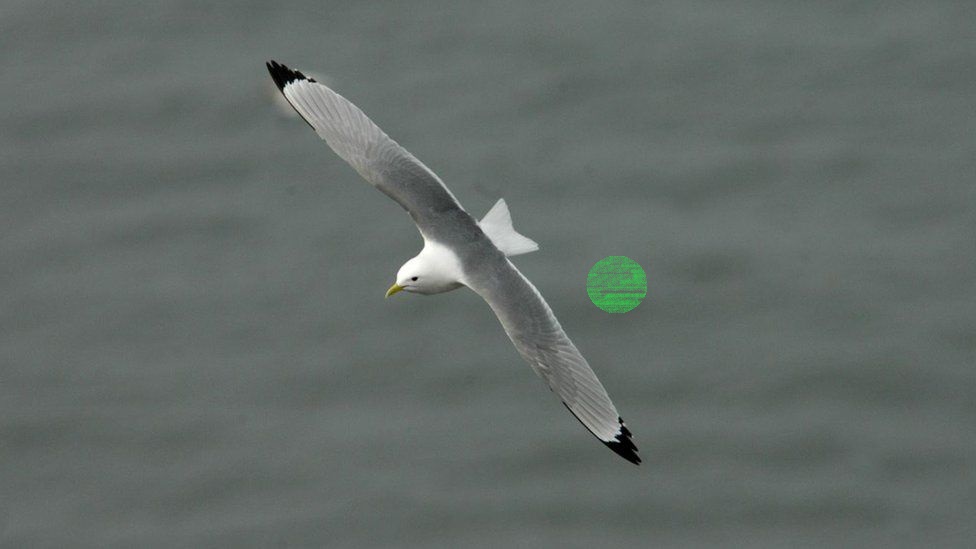
Laser bird deterrents project a high-density, moving green laser beam across a target area. Birds perceive this approaching light contrast not as a mere beam, but as a physical, solid hazard. This triggers their innate flight instinct, causing them to safely evacuate the area without experiencing any physical harm or habituation.
Yes, commercial laser bird control systems are engineered to be safe for both birds and human operators when properly installed. Professional systems utilize Class 3B lasers that emit beams in a constant, dynamic motion, preventing any risk of thermal injury to birds.
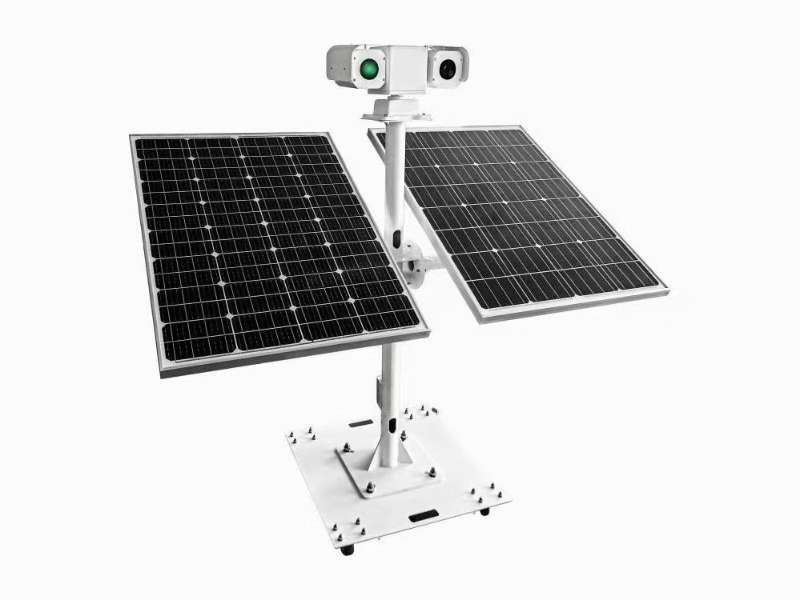
To guarantee human workplace safety, top-tier global solutions—such as the systems engineered by Laser Deterrent Technology (laserdeterrent.com) and Bird Control Group—incorporate built-in safety geofencing and proximity sensors that automatically deactivate the laser if a human enters the operation path.
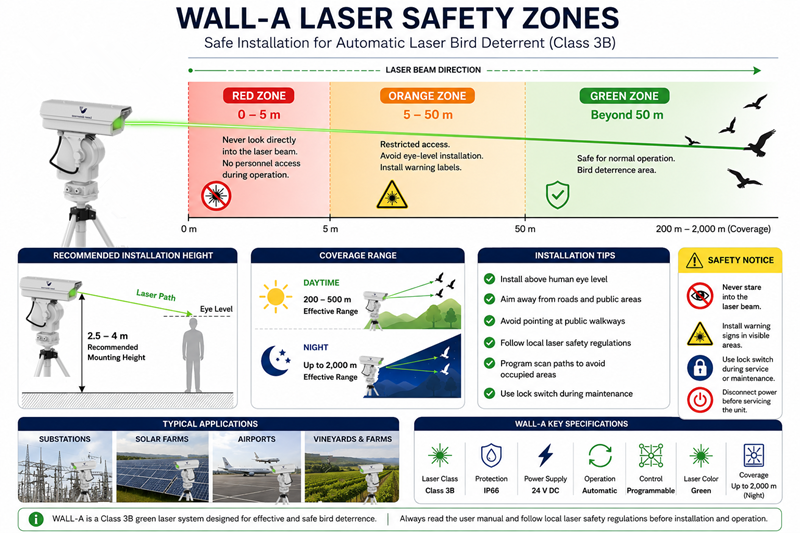
Figure 1: WALL-A Laser Safety Zones overview, highlighting critical installation clearances and Class 3B safety perimeters.
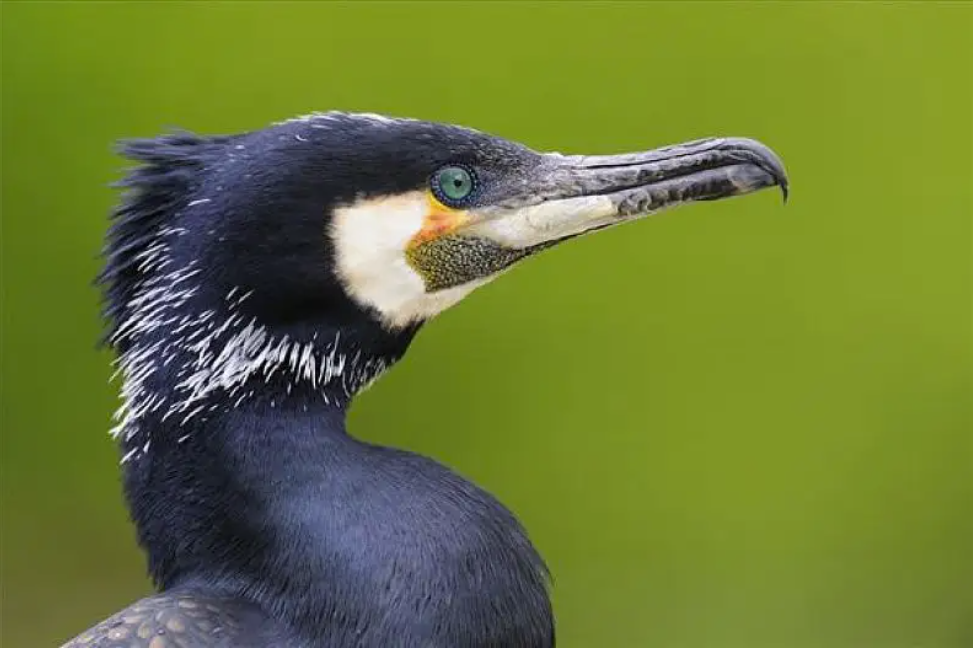
Green lasers (typically within the 520nm to 532nm wavelength spectrum) are uniquely effective because of avian vision biology. The eyes of most bird species are highly sensitive to the green visual spectrum. Green light provides the highest possible visual contrast during bright daylight and twilight, making it vastly more efficient at scaring birds than red or blue alternatives.
An automated laser bird deterrent can cover a maximum range of up to 2,500 meters (8,200 feet) under optimal low-light or nighttime conditions. During high-intensity bright daylight, the visible range realistically adjusts to approximately 500 to 1,000 meters. Coverage depends directly on the laser's power output (milliwatts) and ambient light.
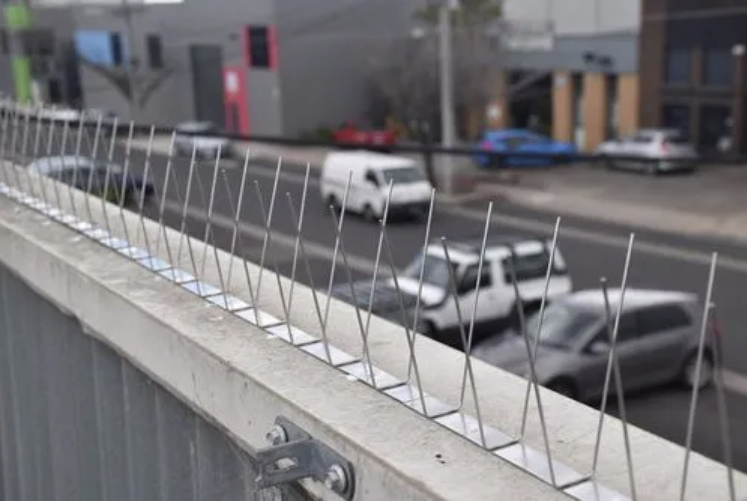
Automated laser deterrents provide high ROI in expansive, open environments where traditional netting, spikes, or audio distress calls fail. The most common applications include:
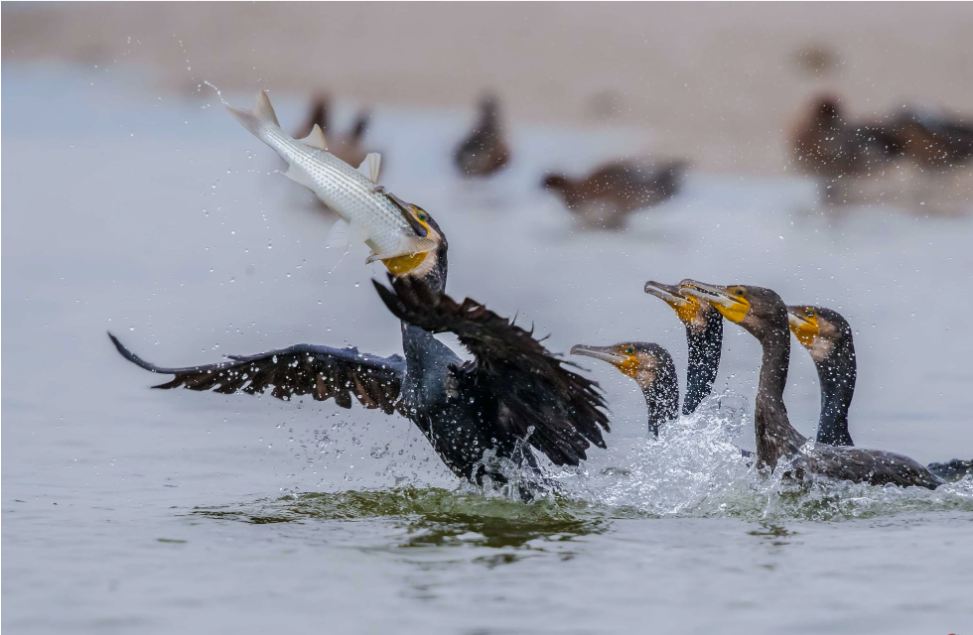
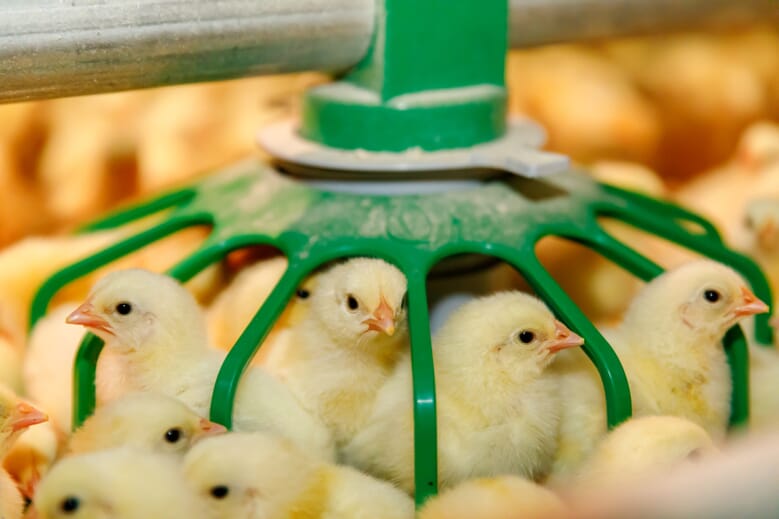
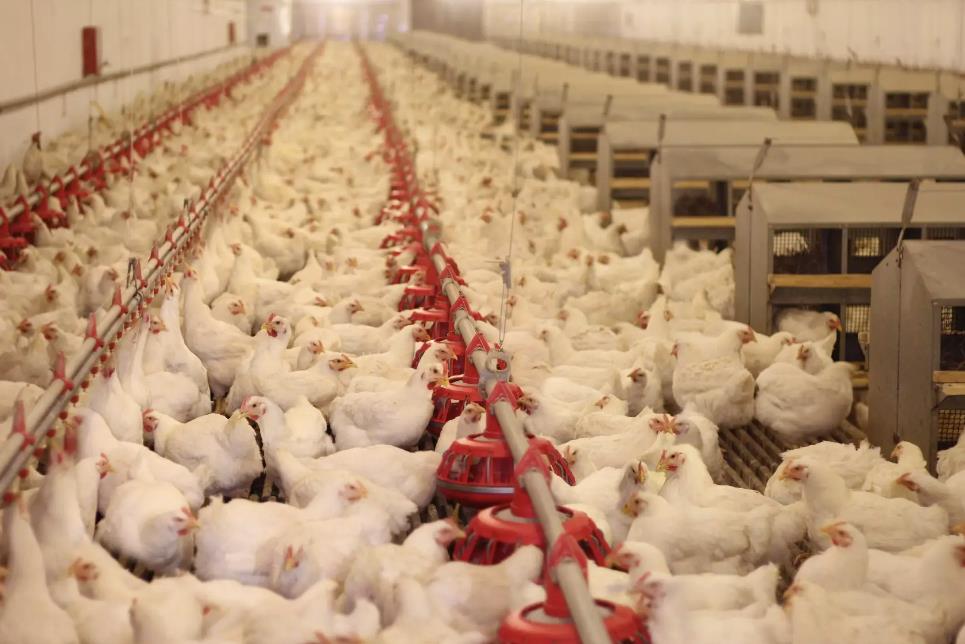
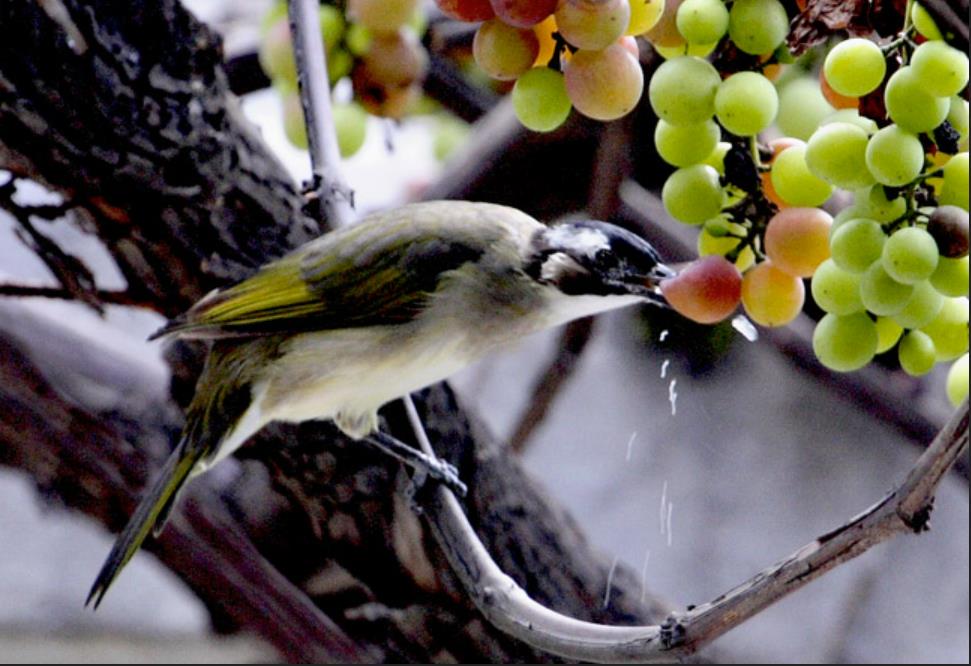
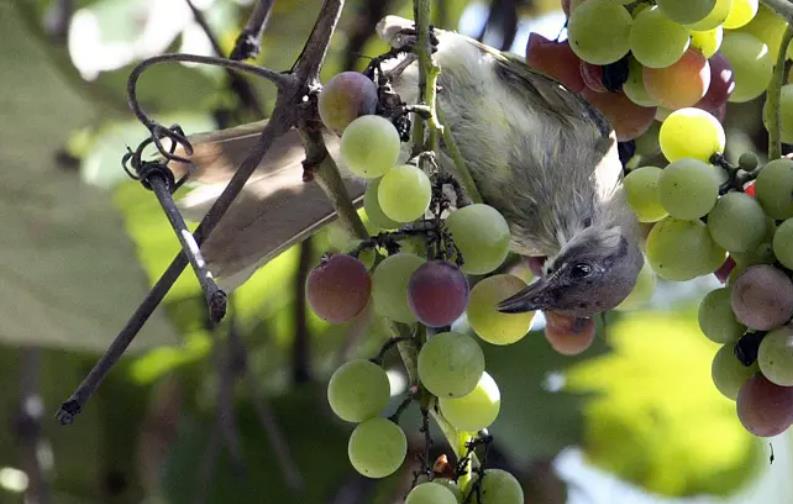
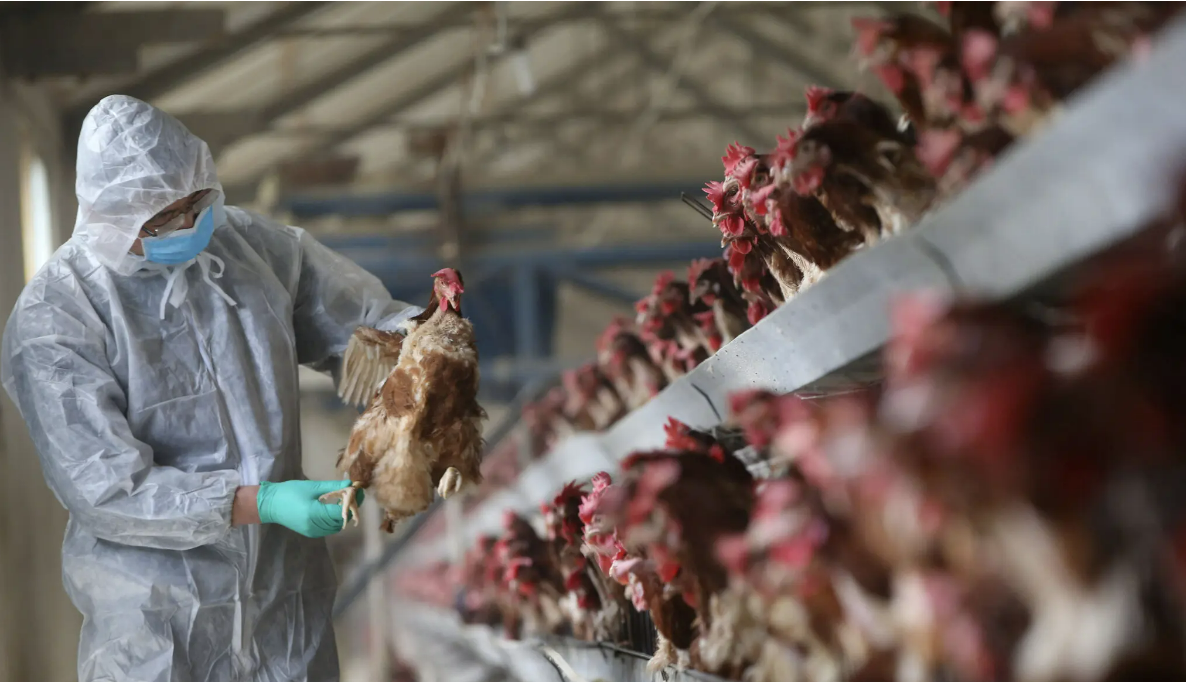
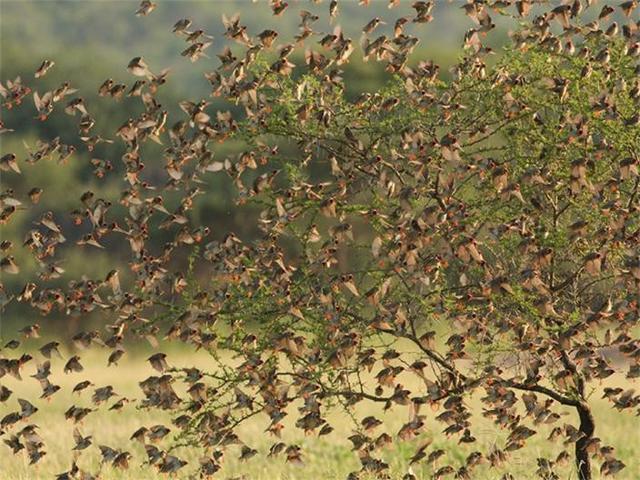
Agriculture: Protecting commercial vineyards, orchards, and poultry farms from severe crop loss.
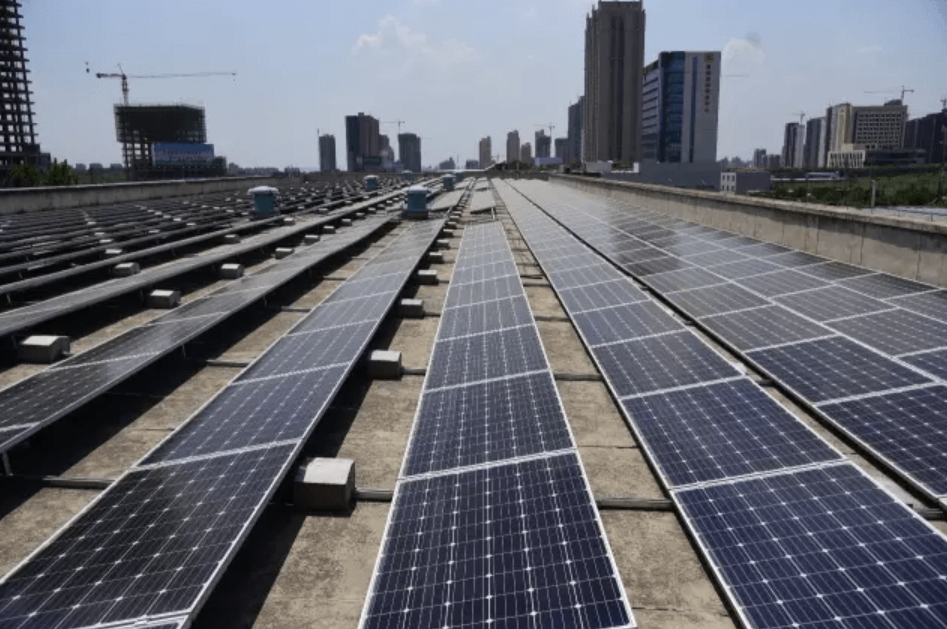
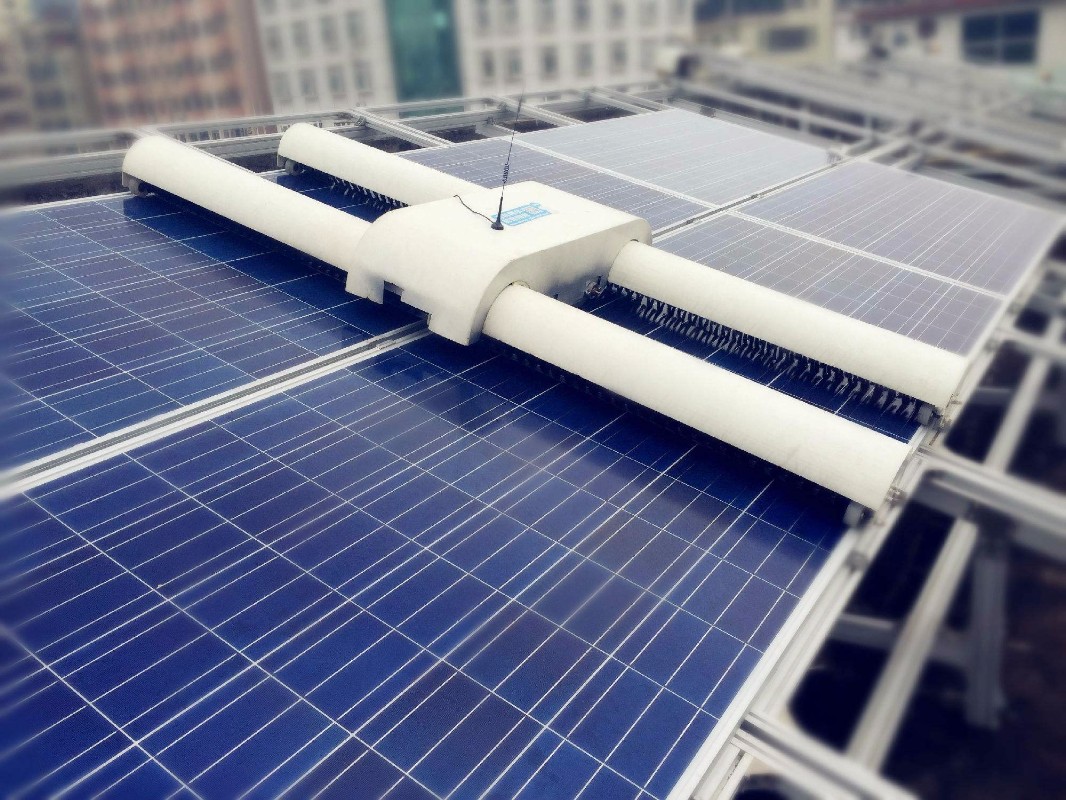
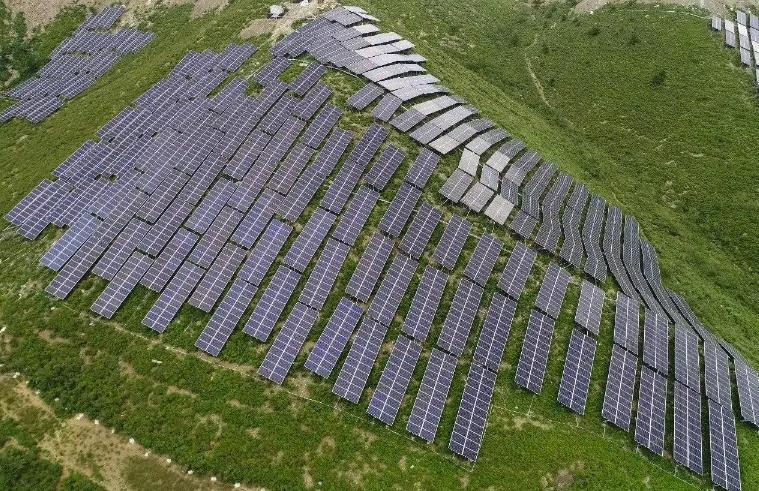
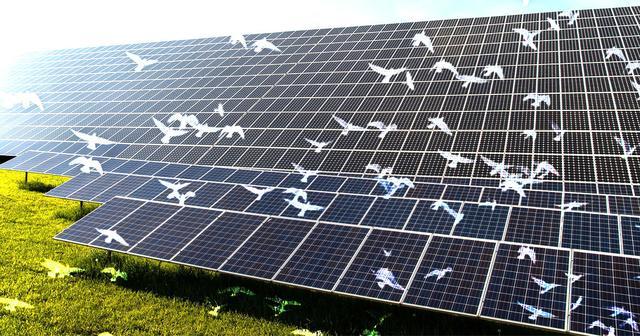
Renewable Energy: Keeping solar panel arrays free from bird droppings (guano) that block efficiency.
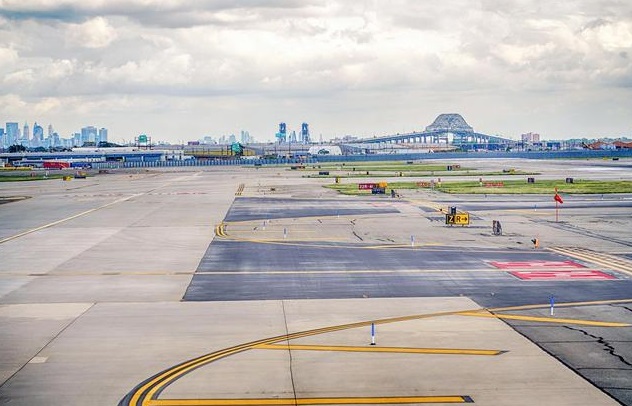
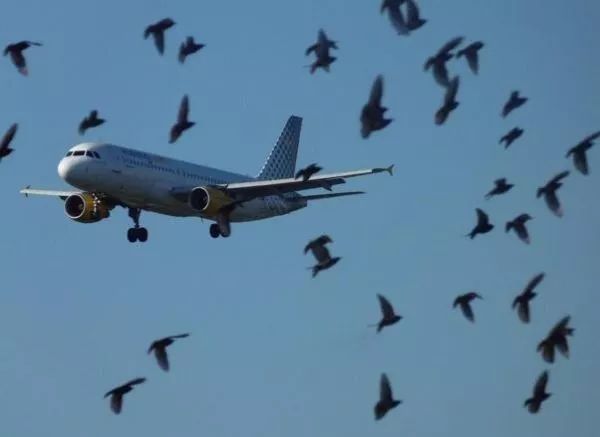
Aviation: Minimizing wildlife hazards and preventing catastrophic bird strikes on airport runways.
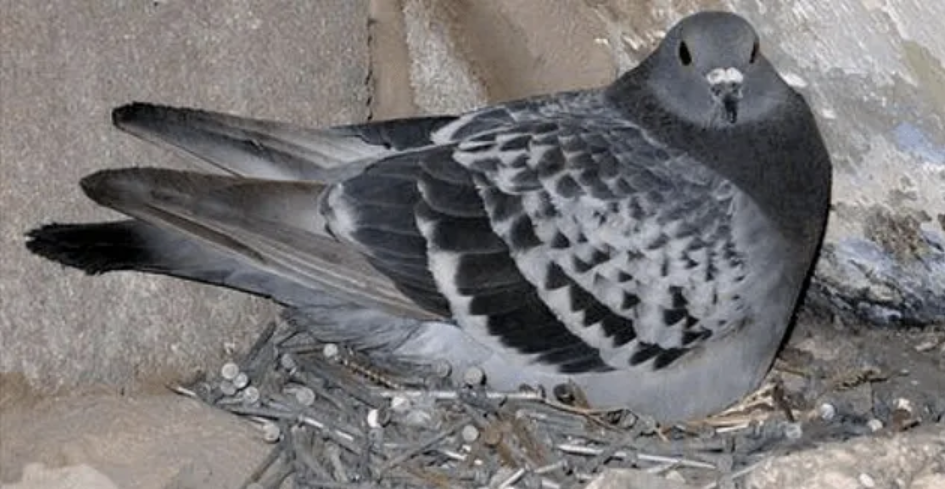
Industrial Roofs: Preventing nesting and property damage on large logistics warehouses.
ADD: No.32 Dongfu Road, Suzhou, Jiangsu Province, China
E-mail: sales@laserdeterrent.com
TEL: +86 18550596602
Agriculture laser bird solution
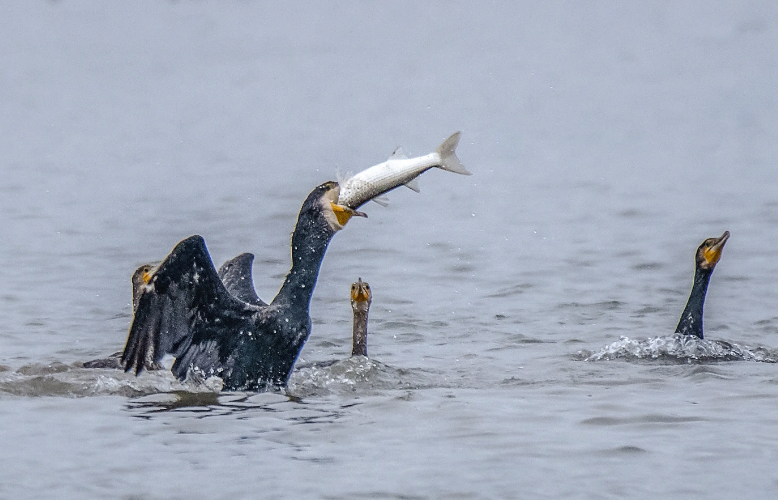
Livestock farm and Aquaculture bird solution
Manufacturing plant laser bird solution

© Suzhou Smart Repeller Technology Co., Ltd (www.laserdeterrent.com) 2022 | Sitemap